Test Sieves
Brass Mesh Test Sieve
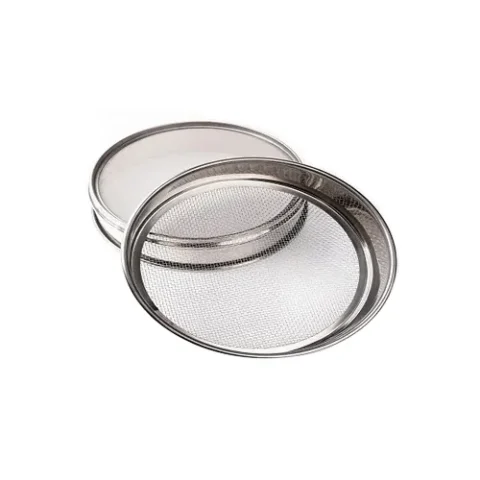
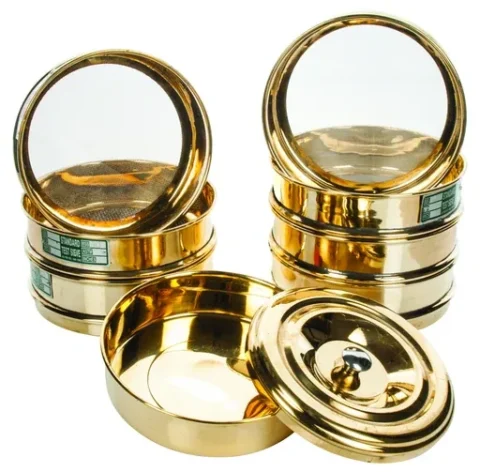
A brass mesh test sieve uses woven brass wire mesh in a brass or stainless steel frame to separate particles by size. Brass is…
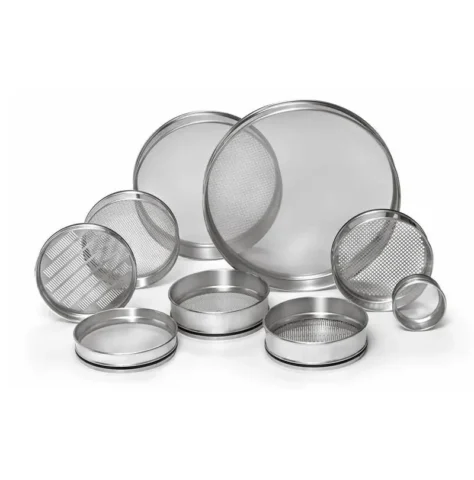
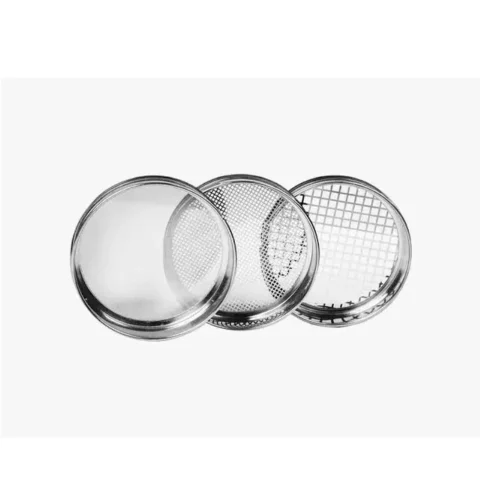
Test sieves measure particle size distribution in powders, soil, aggregates and granules. Choose from standard, certified, calibrated, working, brass mesh and woven wire mesh sieves in stainless steel or brass, with apertures from 25 µm to 4.75 mm.
A brass mesh test sieve uses woven brass wire mesh in a brass or stainless steel frame to separate particles by size. Brass is…
Calibrated sieves are test sieves whose mesh openings are measured in detail, so the laboratory knows the actual aperture size and spread rather than…
Certified test sieves are standard laboratory sieves supplied with an inspection certificate that records the measured mesh apertures. They are used by accredited and…
A test sieve is a precision woven wire mesh held in a round metal frame, used to separate and measure particle sizes in powders,…
Working sieves are test sieves used for everyday particle size checks in laboratories and production plants. They have the same apertures and frame sizes…
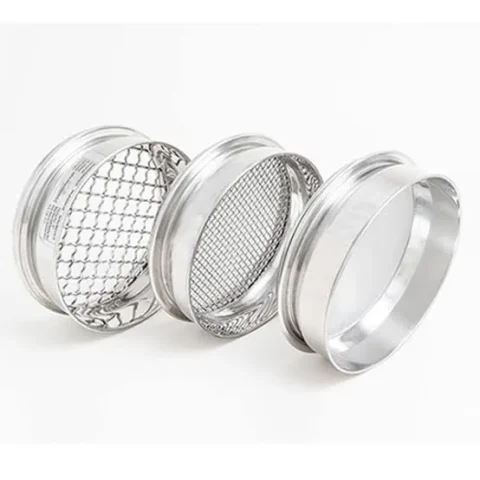
Woven wire mesh test sieves use interwoven warp and weft wires to form square openings of a precise size. They are the most common…
Use standard test sieves for general lab work, certified sieves when an auditor or client needs documented accuracy, calibrated sieves as master reference sets, and working sieves for high volume routine checks. Brass mesh suits low cost dry sieving, while stainless steel suits wet and corrosive samples.
Laboratory test sieves are made to the aperture series and tolerances in ASTM E11 and ISO 3310-1. Many Indian labs also refer to IS 460. Using sieves made to these standards makes your results comparable with other laboratories.
Tell us your sample, test method and budget. We will recommend the right model and send a quote.